


Industry Challenges
The CHIPs Act is a fab buildout green light.
The grid is flashing red.
Modern siting and build-outs of large, inflexible power loads are occuring in U.S. regions not previously industrial. As a consequence, they often lack the power infrastructure these facilities need. Where the grid can’t meet the timeline, behind-the-meter, private power is keeping projects and U.S. chip production on schedule.
-
$200B
U.S. Investment
Announced U.S. semiconductor private fab
investment since 2022 -
200-600MW
Power Loads
Typical range of power loads for a
leading-edge U.S. semiconductor fab -
5-7 years
Grid Delay
Typical time to achieve power
interconnection with U.S. grid infrastructure.
POWER PRIMER
Fab Power: What Matters Most.
Clean, resilient, always on
Semiconductor fabs have no tolerance for power interruptions. An outage can mean scrapping a wafer lot, costing millions…in seconds. How many 9’s do you need?

-
30%
Operating Cost
Percentage of fab operating
costs for power -
25%
Tax Credits
Tax credits up for grabs for
successful fab projects -
70%
AI Memory
Percent of high-bandwidth
memory going to AI data centers
THE ATLAS APPROACH
A faster path to power.
-

1. Scope
Evaluate load
requirements, site
constraints, timing and
long-term power needs. -

2. Design
Engineer a power
solution and operating
model around your
specific requirements
and objectives. -

3. Contract
Co-develop a PPA / ESA
tailored to your financial
priorities, building power
into your cost of
operations. -

4. Build
Turnkey permitting,
construction and startup getting you to first
power in a fraction of the
time others can offer. -

5. Operate
Atlas is your long-term
partner, providing clean,
reliable power through
the life of your assets.
ATLAS SOLUTIONS
Power solutions built to ensure success.
-

Power Design & Engineering
Leverage our power engineering expertise to help you design a custom power solution, including permitting, gas supply and load profiles.
-
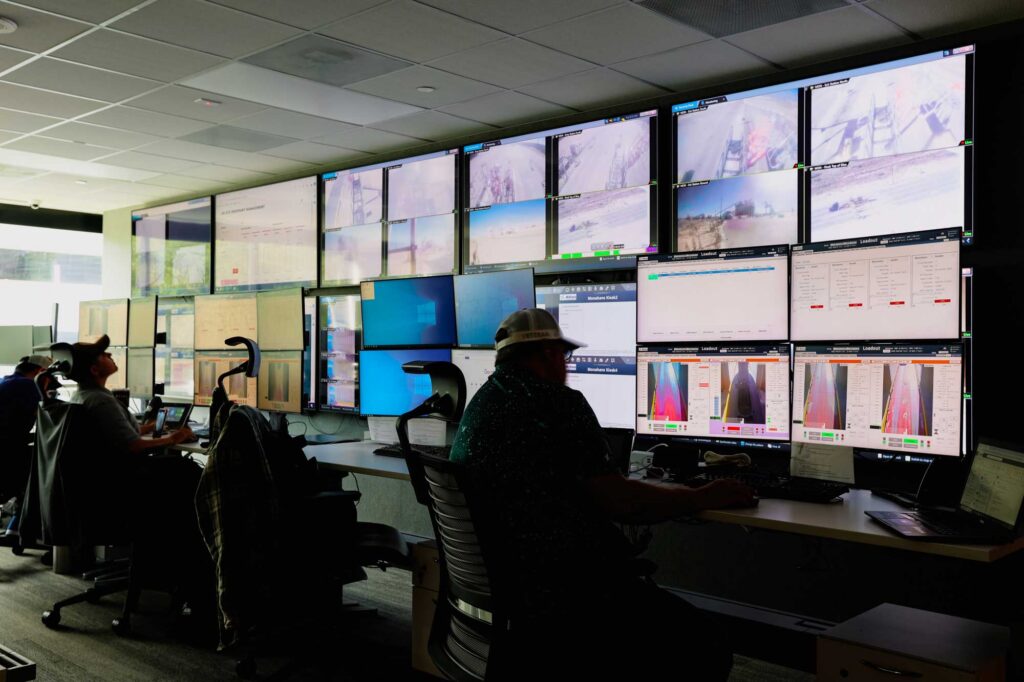
Power Plant Operations & Maintenance
Atlas operates and maintains generating assets for the life of the contract, combining remote, real-time monitoring and onsite, responsive power experts.
-

Permanent, Baseload PrimePower
Scalable generation designed for reliable,
resilient large load power demands. -
Energy Supply Agreements
Access power through a service-based commercial structure rather than owning and operating the generation assets yourself.
Frequently Asked Questions
Common questions and answers about behind the meter power for semiconductor facilities.
Can a semiconductor fab run on behind the meter power?
In short, yes…very effectively. Fabs are less forgiving about reliability than almost any other kind of facility. The question isn’t whether the power is on. It’s whether the power is continuous, clean, and stable down to the millisecond.
A wafer fab’s tolerance for disturbance is so low, and the cost of each event so high, that even a grid with “good” reliability statistics can impose millions in annual losses through brief sags. A power plan designed specifically for a fab’s load profile, including back-up is the first step in ensuring the wafer fab receives clean, reliable power.
When powered onsite via a private grid, there is no competition for power consumers like residential and commercial customers. Your supply is dedicated. And with an Energy Supply Agreement (ESA) from Atlas, that energy is supplied as service, as an operational cost not a capital investment.
Do semiconductor wafer fabs consume lots of power?
Fabs are among the most complex facilities humans build, and among the most energy-hungry: a single leading-edge fab can draw as much continuous electricity as a small city, every hour of every day, for the twenty-plus-year life of the plant.
Fab electricity splits into two big blocks, and everything else barely registers. Measured studies of working fabs tend to land on similar proportions: facility systems take roughly 55–60%, process tools about 40%, and lighting, offices, and controls the last few percent.
Once contracted, how quickly can a power facility achieve first power?
The answer somewhat depends on what part of the United States the facility is built in, as local governing authorities have different requirements and project approval queues.
In Texas, once a project is contracted with Atlas, we can often have a large-scale facility up and running within 18 months.
NEWSROOM
Explore Semiconductor Fab Power
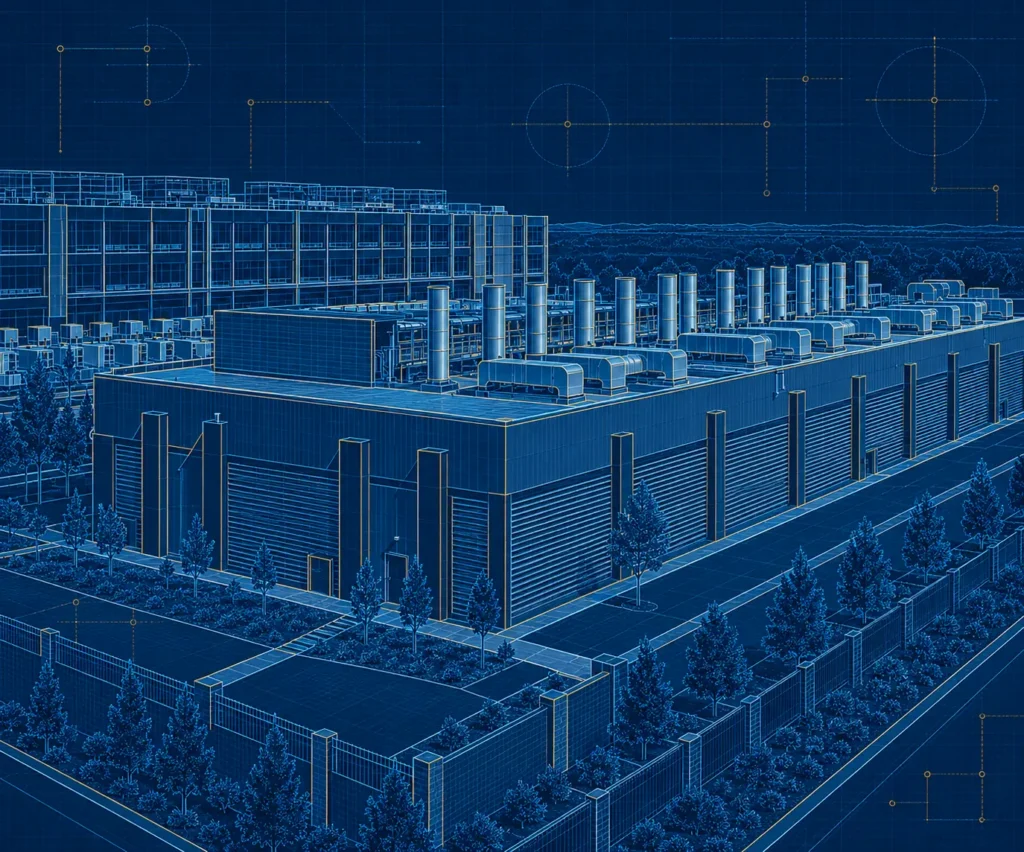
Distributed Power
How Behind-the-Meter Power May Ease the Grid Crisis
With grid delays stretching up to 10 years, large scale data centers and advanced manufacturing facilities are looking for power closer to home.
-
Distributed Power
What is an Energy Supply Agreement (ESA)?


Your project has a deadline. Don't let power risk it.
Talk with Atlas about the power requirements, schedule and commercial structure behind your next project.